
HMB: what it is, what it does and how to read the label
What HMB is, a metabolite of leucine, what EFSA concluded, the difference between calcium HMB and HMB free acid, how to read products with creatine and how to work out the cost per gram of HMB.
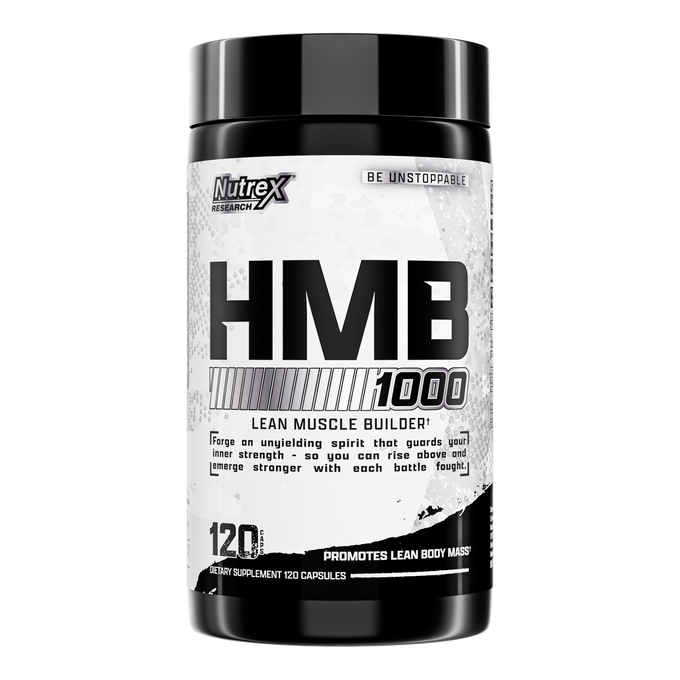
HMB is one of the supplements you most often find next to creatine and amino acids, as capsules, tablets or powder, on its own or in combined formulas. This guide explains what it is, what can honestly be said about what it does, which forms you will see on the label and how to compare two products on grams of HMB and cost per gram.
What is HMB?
HMB stands for beta-hydroxy-beta-methylbutyrate. It is a metabolite of leucine: a substance the body makes when it breaks down leucine, one of the three branched-chain amino acids (BCAA), which comes from the protein in your diet. What leucine is and where it is found is explained in the guide Leucine: what it is, what it does and how to read the label.
So it is not an amino acid, even though it sits in the amino acids range. According to the 2011 EFSA opinion, the human body makes about 0.2-0.4 g a day, and in supplements HMB usually comes as a calcium salt.
What does HMB do?
It is the question people ask when they see it on the shelf, and the honest answer starts from what has been assessed. There are plenty of promises about HMB and training; before taking them at face value, it helps to know what the European authority concluded and what the law allows.
What does the law say about HMB?
In Europe, statements about the effects of a food or supplement must be authorised by the Commission after an EFSA opinion. In 2011 EFSA assessed six groups of claims on HMB, alone or with alpha-ketoisocaproic acid (KIC): lean body mass, strength, endurance, muscle damage during exercise, muscle tissue repair and recovery from fatigue. For each one it concluded that a cause and effect relationship has not been established.
For HMB, then, no claim has been authorised: in the EU register every claim submitted is listed as non-authorised. That is why we do not describe its effects here, and why we suggest being wary of promises about muscle mass, strength, recovery or body fat linked to HMB.
The authorised claims cover protein instead: «protein contributes to a growth in muscle mass» and «protein contributes to the maintenance of muscle mass», for foods that are at least a source of protein. If that is your goal, the starting point is the amount of protein in your diet.
Calcium HMB or HMB free acid: what is the difference?
- Calcium HMB (calcium beta-hydroxy-beta-methylbutyrate monohydrate, sometimes written CaHMB): the most common form. The weight of the salt is not all HMB: based on the chemical formula, about 80% is HMB, about 14% is calcium and the rest is water. 1 g of calcium HMB therefore holds about 0.8 g of HMB.
- HMB free acid (sometimes HMB-FA): HMB without the calcium. Here the stated weight is all HMB.
To compare two products, check in the table whether the milligrams refer to HMB or to calcium HMB: 1,000 mg of calcium HMB and 1,000 mg of HMB are not the same amount.
How do you read the label of an HMB supplement?
- Milligrams of HMB per serving: this is the figure to compare. The number in the product name (500, 1000) usually gives the milligrams per capsule or tablet: check in the table which form it refers to.
- Capsules, tablets or powder: capsules and tablets are convenient, but each one holds very little, so count how many make up the stated serving. Powder lets you measure with the scoop; in flavoured versions part of the serving is flavourings and sweeteners.
- Calcium: in calcium HMB every gram carries about 0.14 g of calcium. Keep it in mind if you already take other supplements that contain it.
- Other ingredients: many formulas add creatine, taurine, vitamins or other amino acids. Read the full list and compare the product on the amount of each ingredient, not on the weight of the pack.
HMB and creatine together: how do you read combined products?
Products that combine HMB and creatine contain two substances with a different legal position. For HMB no claim is authorised. For creatine there is one, and it reads: «Creatine increases physical performance in successive bursts of short-term, high intensity exercise. The beneficial effect is obtained with a daily intake of 3 g of creatine.»
On a combined product, then, check the grams of creatine per daily serving and, separately, the grams of HMB. To choose a creatine, read the guide Creatine: which one to choose and how to read the label.
How do you work out the cost per gram of HMB?
Two sums are enough. Servings per pack: number of capsules divided by the capsules per serving. A pack of 120 capsules with a 3-capsule serving holds 40 servings. Cost per gram of HMB: price divided by the number of servings, then divided by the grams of HMB per serving. If that pack costs €24 and each serving contains 3 g of HMB: €24 / 40 = €0.60 per serving, which is €0.20 per gram of HMB.
If the table says 3 g of calcium HMB, the HMB is about 2.4 g, and the same product costs about €0.25 per gram of HMB. For powders, divide the grams in the pack by the grams in one serving and do the same sum.
When and how much HMB should you take?
The amount is the one each manufacturer states on the label, and the recommended daily dose should not be exceeded. In the studies EFSA assessed, the most common amount was 3 g of HMB a day: these are the same studies that did not show a cause and effect relationship. There is no authorised claim about timing, on an empty stomach or with meals: follow the label.
The 2011 EFSA opinion deals with claims about effects and is not a safety assessment. If you are pregnant or breastfeeding, for children, or if you have a medical condition or take medication, ask your doctor first.
In short
- HMB is a metabolite of leucine; the body makes about 0.2-0.4 g a day.
- There are no authorised health claims for HMB in the EU: EFSA did not establish a cause and effect relationship for any of the six claims it assessed.
- Calcium HMB and HMB free acid are not compared on weight: 1 g of calcium HMB holds about 0.8 g of HMB.
- Compare the grams of HMB per serving and the cost per gram of HMB.
- In products with creatine, check the grams of creatine separately.
You will find the supplements in the HMB category; for leucine, which HMB comes from, there is the Leucine category. To compare products with more amino acids, read the guide BCAA amino acids: what they are and how to read the label.
Food supplements should not be used as a substitute for a varied and balanced diet and a healthy lifestyle. Do not exceed the recommended daily dose stated on the label.
Products in this guide
- -10%


- -10%

