
Creatine: which one to choose and how to read the label
Monohydrate, micronised, buffered or capsules: what changes between the forms of creatine, what the law says about its effects and how to work out the cost of a 3 g serving before you choose.
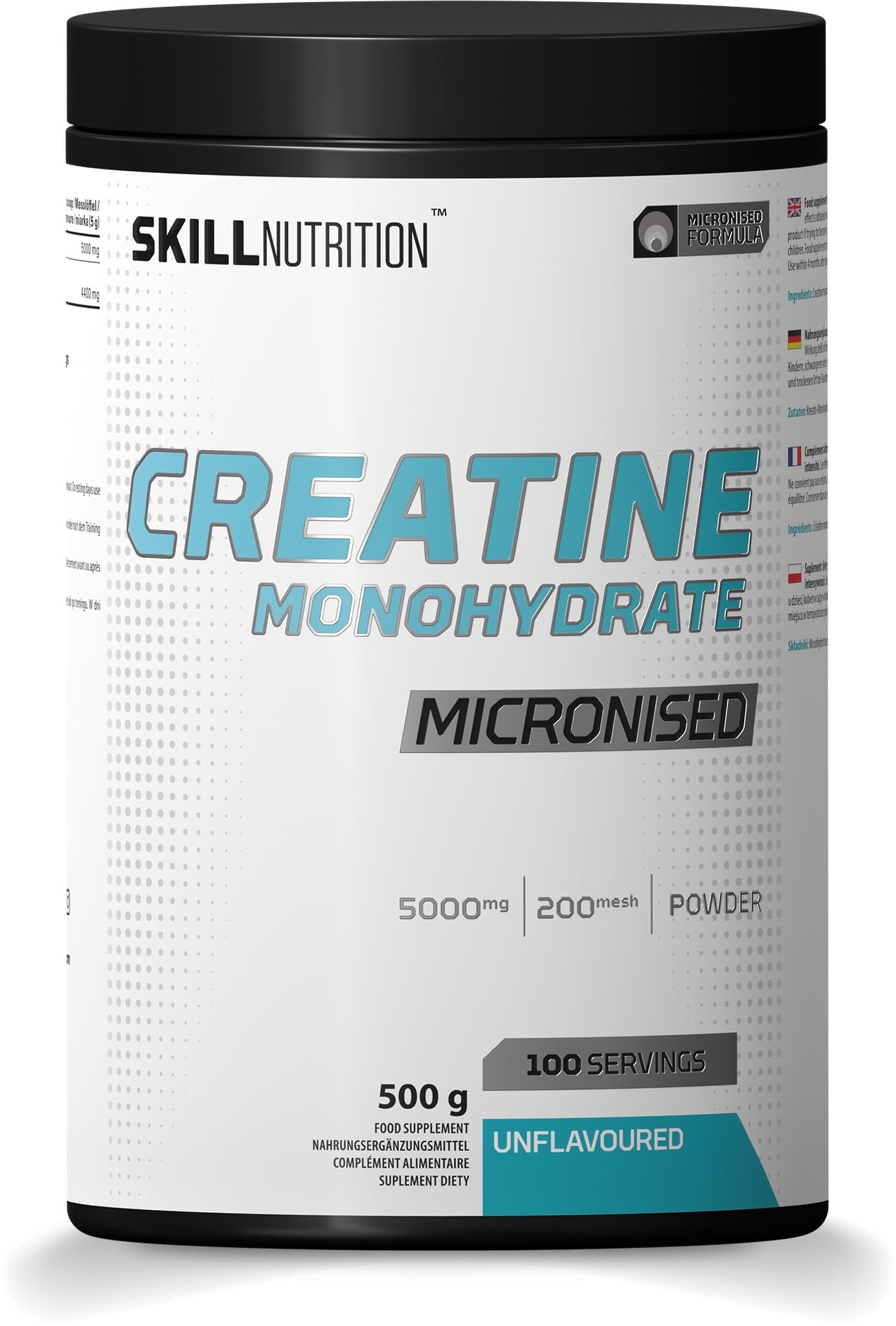
Creatine is one of the most popular supplements among people who train in the gym or play sports with short, intense efforts. On the shelf you will find powders, capsules and chewables with different names, but the questions to ask are few: which form, how much creatine is in a serving and what it really costs. This guide helps you answer them.
What creatine is
Creatine is a substance our body makes on its own and that is also found in food, mainly meat and fish. In supplements it is produced synthetically and sold in different forms, the most common being creatine monohydrate.
What the law says about its effects
In Europe, the claims supplements can make about their effects are set by law. Two are authorised for creatine:
- creatine increases physical performance in successive bursts of short-term, high intensity exercise;
- in adults over the age of 55, daily creatine consumption can enhance the effect of resistance training on muscle strength.
In both cases the beneficial effect is obtained with a daily intake of 3 g of creatine; in the second, together with resistance training. Be wary of any other promise: it is not allowed.
Monohydrate, micronised and other forms
Creatine monohydrate is the most widespread form and the one used in the studies behind the authorised claims. Micronised means a finer powder that mixes more easily in water: the substance is the same.
There are other forms too: buffered creatine (such as Kre-Alkalyn), creatine hydrochloride (HCl) and other forms of creatine, as well as blended formulas that combine creatine with carbohydrates or other ingredients. Before choosing a form other than monohydrate, check how much creatine each serving contains: that is the number to compare.
Powder, capsules or chewables
Powder is usually the cheapest format and lets you measure with the scoop. Capsules and chewables are handier on the go, but you often need several to reach 3 g: check on the label how much creatine each capsule contains and how many make up the daily serving.
Unflavoured powders mix with any drink, protein shakes included; flavoured ones contain sweeteners and flavourings, sometimes sugar.
How to read the label
- Creatine per serving: look for the amount of creatine, not just the weight of the serving. In a formula with other ingredients the two numbers differ.
- Ingredients: unflavoured monohydrate powders usually have a single ingredient. In complex formulas read the full list: some also contain caffeine or other stimulants.
- Daily serving and warnings: follow the manufacturer's directions and do not exceed the recommended daily dose on the label.
Work out the cost of a 3 g serving
To compare different products, think in terms of the cost of a 3 g serving of creatine:
- Pure powder: divide the grams in the tub by 3 to know how many servings it holds, then divide the price by the servings. A 300 g tub at €20 holds 100 servings of 3 g: €0.20 per serving.
- Capsules or complex formulas: multiply the creatine in one capsule (or scoop) by the number of capsules (or scoops) in the pack, then do the same calculation.
A product that costs more per tub can be cheaper per serving, and vice versa.
In short
- The authorised claims refer to creatine taken at 3 g a day.
- Monohydrate is the most widespread form; micronised only means finer.
- Compare creatine per serving, not the weight of the serving.
- Work out the cost of a 3 g serving.
- In complex formulas read the full ingredient list.
If you are interested in protein too, read the guide Protein powder: how to read the label before you choose.
Creatine increases physical performance in successive bursts of short-term, high intensity exercise; the beneficial effect is obtained with a daily intake of 3 g of creatine. Food supplements should not be used as a substitute for a varied and balanced diet and a healthy lifestyle. Do not exceed the recommended daily dose. If you are pregnant, breastfeeding, under 18, have a medical condition or take medication, ask your doctor first.
Products in this guide
- -10%


- -10%

Skill Nutrition
- -10%


Applied Nutrition
- -10%

