- -20%

Your training. Your brands.
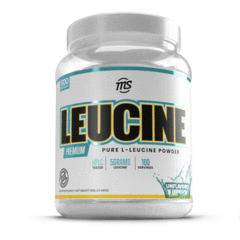
Leucine is an essential branched-chain amino acid and, together with isoleucine and valine, it is part of the BCAA. As an essential amino acid, it cannot be produced by the body and must be obtained through diet or supplementation. It is one of the most studied and appreciated amino acids among people who play sports.
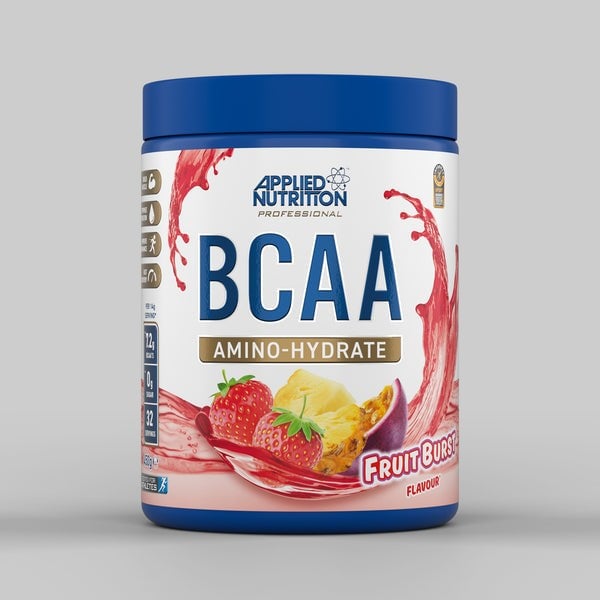
Leucine is involved in processes related to protein metabolism and is one of the most present amino acids in BCAA formulations, where it appears in a higher proportion than isoleucine and valine (for example in 2:1:1, 4:1:1 and 8:1:1 ratios). For this reason it is often considered a reference point in branched-chain amino acid blends.
Leucine, available in powder and capsules, is generally taken around training time or combined with other amino acids and proteins. The methods and amounts may vary depending on your goals and diet.
At Citymuscle you will find a wide selection of leucine and amino acids from the best brands, along with a complete range of food supplements and sportswear to support your training.
What leucine is, how much of it different proteins contain and how to read the label: see our guide Leucine: what it is and how to read the label.
Food supplements are not intended to replace a varied, balanced diet and a healthy lifestyle. Do not exceed the recommended daily dose.
What leucine is, how much you need, how much whey, egg, soy and wheat contain, what the law says and how to compare powders and tablets on grams per…
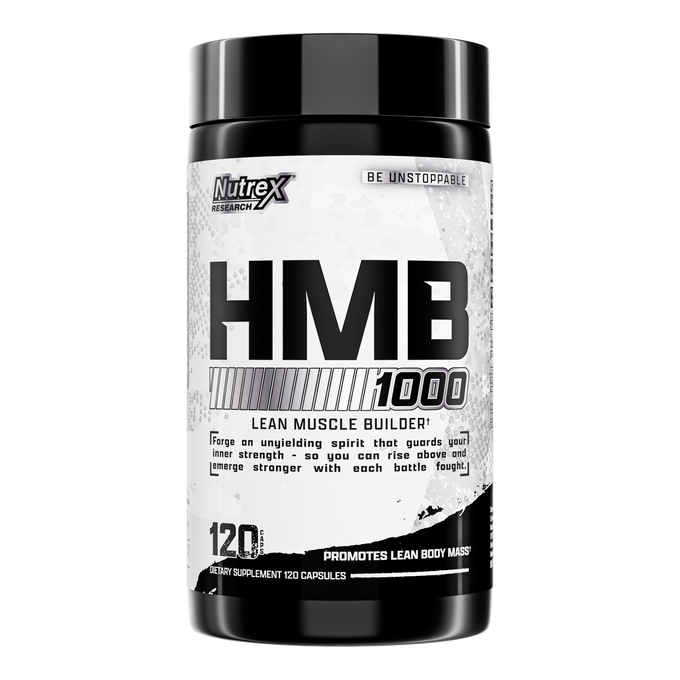
What HMB is, a metabolite of leucine, what EFSA concluded, the difference between calcium HMB and HMB free acid, how to read products with creatine…
Leucine, isoleucine and valine: what branched-chain amino acids are, what the 2:1:1, 4:1:1 or 10:1:1 ratios mean and how to compare powders and…