ZMA, zinc and magnesium: what they do and how to read the label
What ZMA is, which claims are authorised for zinc, magnesium and vitamin B6, whether zinc raises testosterone, how much you can take in Italy and how to tell milligrams of mineral from milligrams of salt.
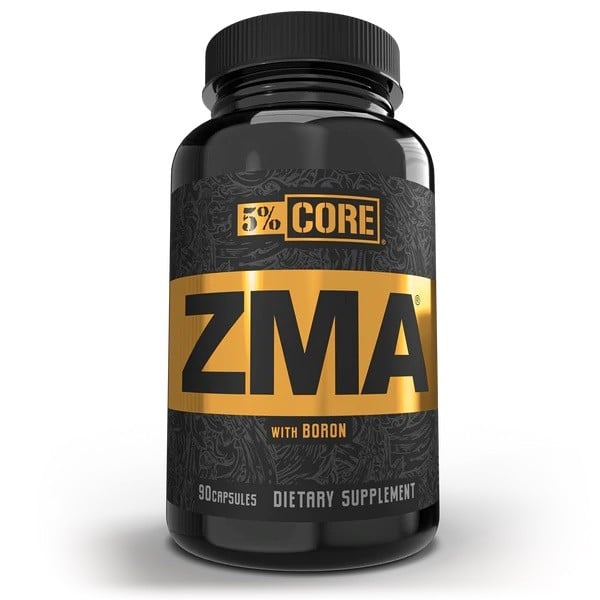
ZMA is one of the most searched supplements among people who train: zinc, magnesium and vitamin B6 in the same capsule, usually taken in the evening. Unlike many other supplements, EU law authorises several health claims for these three nutrients. This guide explains what is in a ZMA, what can really be said about it, how much you can take in Italy and how to read the label.
What is ZMA?
ZMA stands for zinc monomethionine aspartate and magnesium aspartate, with added vitamin B6. The classic formula, described in studies from the early 2000s, provided per daily dose 30 mg of zinc, 450 mg of magnesium and 10.5 mg of vitamin B6.
Today the name is used for any product combining zinc, magnesium and B6, including other forms of the minerals or other ingredients. Applied Nutrition's ZMA with ashwagandha, for example, uses zinc bisglycinate and monomethionine, magnesium bisglycinate and citrate, and adds plant extracts. To know what is in the product in front of you, read the table and not just the name.
What do zinc, magnesium and vitamin B6 do?
For these three nutrients, Regulation (EU) 432/2012 authorises many claims. The ones closest to people who train are these, word for word:
- Zinc: «Zinc contributes to the maintenance of normal testosterone levels in the blood»; «Zinc contributes to normal protein synthesis»; «Zinc contributes to the normal function of the immune system».
- Magnesium: «Magnesium contributes to normal muscle function»; «Magnesium contributes to normal protein synthesis»; «Magnesium contributes to a reduction of tiredness and fatigue».
- Vitamin B6: «Vitamin B6 contributes to normal protein and glycogen metabolism»; «Vitamin B6 contributes to the regulation of hormonal activity»; «Vitamin B6 contributes to the reduction of tiredness and fatigue».
They apply only if the product is at least a source of the nutrient: for a supplement, the daily dose must provide at least 15% of the nutrient reference value (NRV). For an adult the NRVs are 10 mg of zinc, 375 mg of magnesium and 1.4 mg of vitamin B6, so the minimum is 1.5 mg of zinc, 56 mg of magnesium and 0.21 mg of B6 a day.
Does zinc increase testosterone?
The authorised claim says something else: zinc contributes to the maintenance of normal levels of testosterone in the blood. It means helping levels not to fall below normal, not raising testosterone above normal. No authorised claim for zinc, magnesium or B6 is about increasing testosterone, strength or muscle mass.
A 2004 study on 42 resistance-trained men (Wilborn and colleagues, Journal of the International Society of Sports Nutrition) gave a commercial ZMA, with other ingredients, or a placebo for eight weeks. The authors concluded that the results do not support the idea that ZMA increases muscle mass or improves training adaptations.
Does ZMA help you sleep better?
Many ZMA products are sold to be taken in the evening, but among the authorised claims for zinc, magnesium and vitamin B6 there is none about sleep. A product therefore cannot promise better or deeper sleep because of these three nutrients. If a label does, look at the other ingredients, and the same rule applies to them: an authorised claim is required.
How much zinc, magnesium and B6 can you take in Italy?
The Italian Ministry of Health sets maximum daily amounts in food supplements (September 2021 revision):
| Nutrient | Adult NRV | Minimum per dose (15%) | Maximum per day in supplements |
|---|---|---|---|
| Zinc | 10 mg | 1.5 mg | 15 mg (7.5 mg for children and adolescents) |
| Magnesium | 375 mg | 56 mg | 450 mg |
| Vitamin B6 | 1.4 mg | 0.21 mg | 10 mg |
The classic formula, with 30 mg of zinc and 10.5 mg of B6, is therefore above the Italian maximums. European shops sell products notified in other countries with different doses: always check the daily dose on the label and add up the zinc and magnesium from every supplement you take, including multivitamins and mineral salts.
How do you read the label: milligrams of mineral or of salt?
This is the most common mistake. A mineral is always bound to another substance, and the label can show two numbers: the weight of the salt (citrate, bisglycinate, oxide) and the weight of the mineral it contains. The figure to compare is the second one, the one shown next to the NRV percentage.
- In Dorian Yates' Magnesium Bisglycinate, each capsule contains 750 mg of magnesium bisglycinate, which provide 150 mg of magnesium: 40% of the NRV.
- In Swanson's Albion Magnesium, the 2-capsule dose provides 266 mg of magnesium, which is 71% of the NRV.
- In Holland & Barrett's Magnesium 375 mg, one tablet provides 375 mg of magnesium, from magnesium oxide: 100% of the NRV.
The percentage is simple to work out: milligrams of mineral divided by the NRV, times 100. 266 mg / 375 mg × 100 = 71%.
Which forms of zinc and magnesium will you find on the label?
The forms allowed in supplements are listed in Regulation (EC) 1170/2009 and its amendments. On labels you will often find, for zinc, aspartate, monomethionine, bisglycinate, picolinate, citrate and gluconate; for magnesium, aspartate, citrate, bisglycinate, malate and oxide. For the same milligrams of mineral, the form changes how heavy the capsule is and how many capsules you need: oxide packs a lot of magnesium into little weight, organic salts less.
Many labels say one form is «better absorbed» than another: that is the manufacturer's presentation, not an authorised claim. To compare two products, start from the milligrams of mineral per daily dose.
When should you take ZMA?
Follow the label, because manufacturers do not all say the same thing: Applied Nutrition's ZMA with ashwagandha, for example, suggests 3 capsules in the evening, before bed, preferably with a little food. There is no authorised claim on timing. What matters more is not exceeding the daily dose and not combining, without counting, several products with the same minerals.
What can this guide not tell you?
Only a doctor can tell you whether you are really short of zinc or magnesium, including with blood tests. If you take medication, are pregnant or breastfeeding, have kidney problems or the product is for someone under 18, ask your doctor first. The plant extracts added to many ZMA products, such as ashwagandha, have no authorised claims: assess them as separate ingredients.
In short
- ZMA combines zinc, magnesium and vitamin B6; the classic formula had 30 mg of zinc, 450 mg of magnesium and 10.5 mg of B6.
- EU law authorises many claims for the three nutrients, including the one on maintaining normal testosterone levels, if the dose provides at least 15% of the NRV.
- No authorised claim is about increasing testosterone, strength, muscle mass or sleep.
- In Italy supplements may provide at most 15 mg of zinc, 450 mg of magnesium and 10 mg of B6 a day.
- Compare milligrams of mineral, not of salt, and check the NRV percentage.
You will find the products in the Zinc, Magnesium and Vitamin B categories; complete ZMA products are 5% Nutrition's ZMA Core Series, Dorian Yates' ZN MG B6 Complex and Applied Nutrition's ZMA with ashwagandha.
Food supplements should not be used as a substitute for a varied and balanced diet and a healthy lifestyle. Do not exceed the recommended daily dose stated on the label.
Products in this guide
- -10%

Dorian Yates
- -10%


Dorian Yates
- -10%


- -10%

Applied Nutrition
- -10%

Holland & Barrett