
Omega-3: EPA, DHA and how to read the label
Fish, krill or algae oil: why what counts is the EPA and DHA in a serving rather than the milligrams of oil, which claims are authorised in the EU and how to compare products by cost per gram.
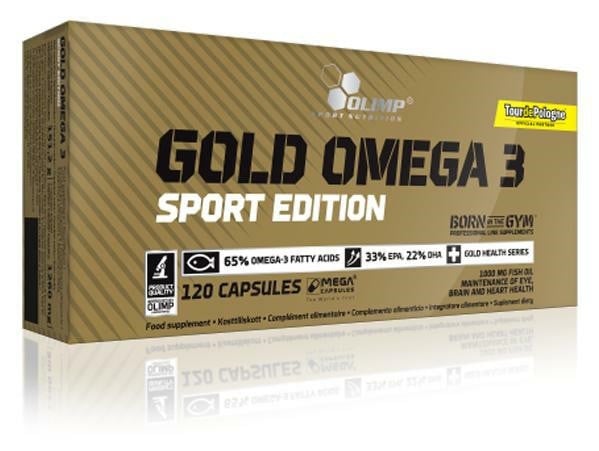
Omega-3 supplements are among the most popular, yet two capsules labelled "1000 mg" can hold very different amounts of what really matters. This guide explains what EPA and DHA are, what the law says and how to compare products by reading the label.
What EPA and DHA are
Omega-3s are a family of polyunsaturated fatty acids. In supplements the two that matter are EPA (eicosapentaenoic acid) and DHA (docosahexaenoic acid). In the diet they come mainly from oily fish such as salmon, mackerel, sardines and herring. ALA, the omega-3 in flaxseed and walnuts, is a different molecule: the body converts only a small part of it into EPA and DHA.
What the law says
Unlike many other supplements, EPA and DHA have health claims authorised by the European Union (Reg. EU 432/2012), each linked to a precise daily amount:
- EPA and DHA contribute to the normal function of the heart: the effect is obtained with a daily intake of 250 mg of EPA + DHA.
- DHA contributes to the maintenance of normal brain function and normal vision: the effect is obtained with 250 mg of DHA a day.
- EPA and DHA contribute to the maintenance of normal blood triglyceride levels (with 2 g a day) and normal blood pressure (with 3 g a day). For these two, the law asks not to exceed 5 g a day of EPA and DHA combined.
That is why the figure to look for on the label is not the weight of the oil but the milligrams of EPA and DHA per serving.
How to read the label
- Oil or EPA + DHA: "1000 mg" on the pack usually means the oil in one capsule. In a non-concentrated fish oil, EPA and DHA are about 30% (around 300 mg out of 1000); in concentrated products they can exceed 60%. Look for the table with the mg of EPA and of DHA.
- Daily serving: check whether the values are per capsule or per serving. If the serving is three capsules, multiply the mg per capsule by three.
- EPA/DHA ratio: products also differ in proportions. If you are interested in one of the DHA claims, look at how many mg of DHA the serving provides.
- Other ingredients: vitamin E as an antioxidant, flavourings (often lemon, to mask the fishy taste), vitamin D or K2 in some formulas. The capsule gelatine is almost always of animal origin.
- Allergens: fish and crustaceans (in krill) must be declared on the label.
Fish, krill, cod liver or algae
- Fish oil: the most common source and usually the cheapest per gram of EPA + DHA. Concentrated or "molecularly distilled" versions hold more EPA and DHA per capsule, so you need fewer capsules.
- Krill oil: part of the omega-3s is bound to phospholipids and the oil contains astaxanthin, which gives it its red colour. Capsules generally hold less EPA and DHA than a concentrated fish oil: always compare the mg per serving.
- Cod liver oil: besides omega-3s it contains vitamin A and vitamin D. If you also take other supplements with these vitamins, add up the amounts.
- Algae oil: the choice for people who do not eat fish. It is often rich mainly in DHA; check that the capsule is plant-based too.
In the Omega 3 6 9 and CLA category you will also find blends with omega-6 and omega-9: if you are after EPA and DHA, check how much of them the blend contains.
Capsules or liquid oil
Capsules are convenient and tasteless. Liquid oil allows higher servings with a spoon and usually costs less per gram, but it must be kept in the fridge once opened and used within the time shown on the label. In both cases a strong, rancid smell is a sign of oxidised oil.
Work out the cost per gram of EPA + DHA
- Grams per pack: mg of EPA + DHA per capsule multiplied by the number of capsules. A tub of 120 capsules with 600 mg of EPA + DHA each holds 72 g of EPA + DHA.
- Cost per gram: price divided by the grams of EPA + DHA. If that tub costs €24: €24 / 72 g = about €0.33 per gram.
With the same sum, a product that looks more expensive but is more concentrated can cost less per gram of EPA + DHA.
In short
- EPA and DHA are the omega-3s that matter in supplements.
- In the EU, health claims for EPA and DHA are authorised, each with its own daily amount (from 250 mg upwards).
- "1000 mg" is usually the weight of the oil, not of EPA and DHA.
- Compare the mg of EPA + DHA per serving and the cost per gram.
- Algae oil for people who do not eat fish; mind vitamins A and D in cod liver oil.
For other labels, read also Protein powder: how to read the label.
Food supplements should not be used as a substitute for a varied and balanced diet and a healthy lifestyle. Do not exceed the recommended daily dose on the label. If you are pregnant, breastfeeding, under 18, have a medical condition or take medication (anticoagulants in particular), ask your doctor first.
Products in this guide
- -10%


Olimp Nutrition
- -10%

Osavi
- -10%


- -10%


Osavi